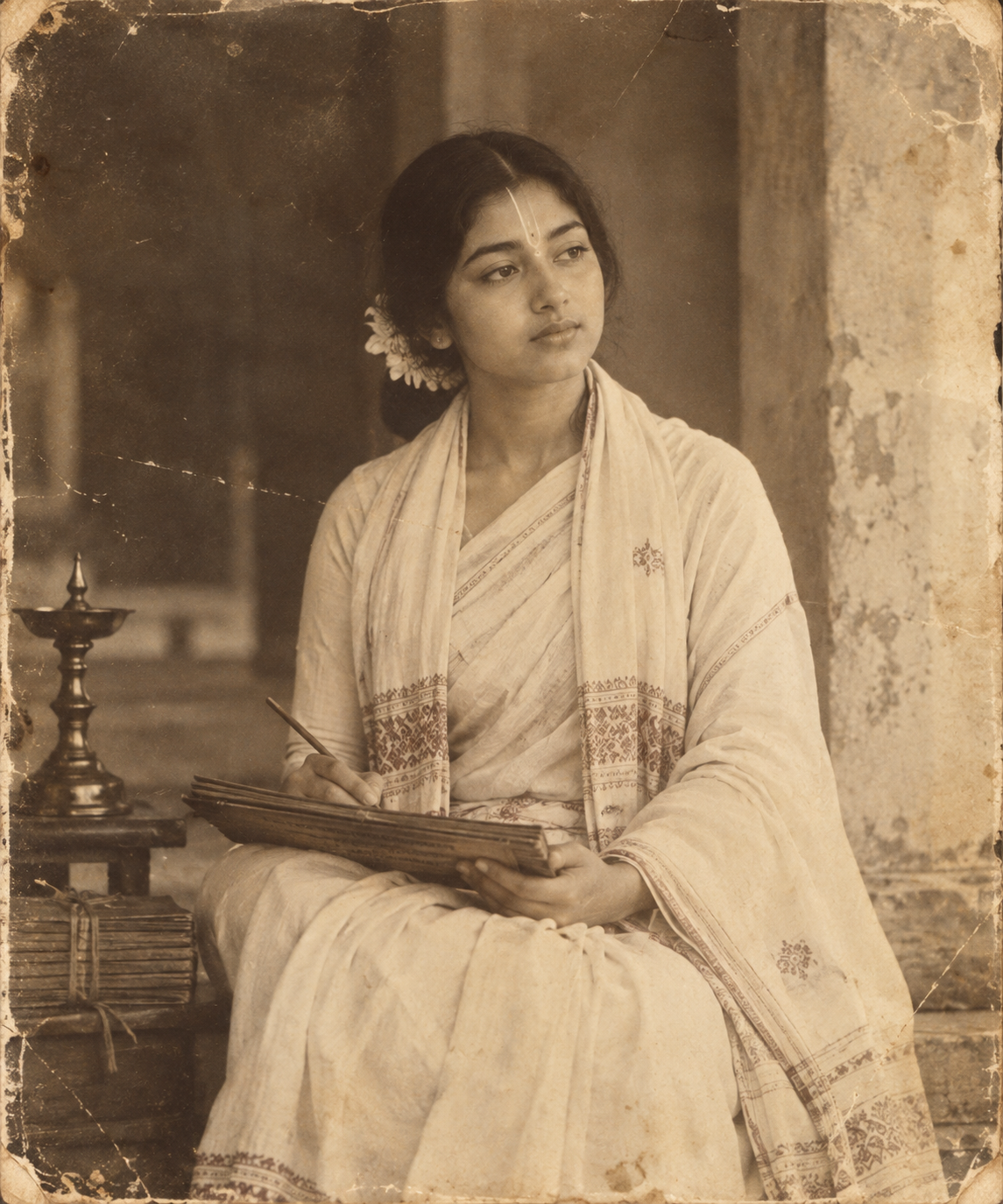
The Heritage of Kaljhar and Ai Padmapriya | HowlyTown
Ai Padmapriya
HOWLYTOWN

The Heritage of
Kaljhar & Ai Padmapriya

A journey through Kaljhar's heritage, Assamese devotional culture and the remarkable literary life of Ai Padmapriya.

By Ashim Das
SCROLL
THE HERITAGE OF KALJHAR

A story of literature, devotion, community and heritage.

The history of Howly and its surrounding region is closely connected with the development of the Satra tradition. Among the historically significant places in the region is Kaljhar, which became associated with the Kaal Sanghati tradition of Assamese Vaishnavism and with the life and literary contributions of Ai Padmapriya.
01 Kaljhar

Kaljhar and Its Heritage

Kaljhar is an old settlement of the Howly region with an important religious and cultural history. The Kaljhar Satra became associated with the Kaal Sanghati tradition and developed into an important centre of devotional practice.

The historical tradition surrounding Kaljhar is closely connected with Gopal Ata, a prominent disciple of Mahapurush Madhavdeva. The Satra and the community that grew around it became important parts of the religious and cultural landscape of the Howly region.

The history of Kaljhar is not limited to the Satra itself. Over the years, the area became home to devotees, artisans and other communities whose activities contributed to the development of the region.

An important period in this history came when floods and a cholera epidemic caused many artisan communities—including weavers, blacksmiths and other skilled workers—to leave Bhawanipur and move towards Kaljhar in Howly. Ai Padmapriya also moved to Kaljhar during this period.
02 Ai Padmapriya

Ai Padmapriya

In the history of early Assamese literature, Ai Padmapriya is remembered as an important early woman poet. She was the daughter of Gopal Ata and Vrindavati.

Padmapriya was described as beautiful, accomplished and knowledgeable, with a strong interest in the study of religious scriptures. She was also regarded as an accomplished weaver, which made her especially dear to her father.

Her father, Gopal Ata, gave her her early education. Through him, Padmapriya acquired literacy and learned to read religious and literary texts. Her education eventually enabled her to compose numerous devotional songs and verses.

Her education became a bridge between devotional thought and literary expression.

03 Madhavdeva

Padmapriya and Madhavdeva

After 1580 CE, when Mahapurush Madhavdeva was staying at Barpeta Satra, his disciples travelled to Barpeta to receive scriptural instruction from him.

Gopal Ata, one of Madhavdeva's beloved disciples, also travelled by boat to Barpeta to study under his guru.

On one occasion, Padmapriya expressed her desire to see Madhavdeva. Gopal Ata therefore took her to Barpeta and introduced her to his guru, allowing Padmapriya to meet Madhavdeva personally.

Padmapriya was not herself a religious preacher. Nevertheless, her learning and intellectual development were remarkable for a woman of her period. Her devotional songs and compositions provide evidence of her education, literary ability and familiarity with religious thought.

04 Life in Kaljhar

Padmapriya's Life in Kaljhar

Leaving behind her birthplace Bhawanipur, her stepmother Subhagi, and her elder brother Kamal Lochan, Padmapriya initially found it difficult to settle in Kaljhar.

However, the enthusiasm of the numerous devotees and women devotees who had gathered there, together with the lively atmosphere surrounding the newly established Satra, gradually transformed her outlook. The devotional environment of Kaljhar eventually became an important part of her life.

Just as in Bhawanipur, groups of women came to Kaljhar and participated in Naam-Prasanga alongside the men.

Under Padmapriya's leadership, a dedicated Namati group of women was formed. The women were able to participate in devotional singing alongside the male devotees.

Their Naam-Prasanga attracted the attention and admiration of devotees from the four principal religious centres, as well as many people from Navanagar and Barnagar.

05 After Gopal Ata

After the Passing of Gopal Ata

After Gopal Ata departed for Vaikuntha, Padmapriya's stepmother Subhagi and her elder brother Kamal Lochan prepared to travel towards Upper Assam.

Padmapriya did not agree to leave Kaljhar.

When her stepmother and brother eventually departed, Padmapriya was understandably saddened. However, she did not allow this loss to stop her work or her involvement in the community.

06 Badhaimara Jan

The Namghar at Badhaimara Jan

One of Padmapriya's significant contributions was her work for vulnerable, widowed and helpless women.

To provide them with support and a place for spiritual and community activities, Ai Padmapriya constructed a beautiful Namghar on the bank of Badhaimara Jan.

The Namghar was built in the style of the Kaljhar Satra, with the cooperation of the local people and the people of Kaljhar.

This contribution illustrates that Padmapriya's role extended beyond literature and devotional singing. She was also involved in community life and in creating a space where women could participate in religious and social activities.

A legacy beyond literature

Literature. Devotion. Community. Heritage.

Padmapriya's story brings together education, devotional music, women's participation in religious life and community service.

07 Literature

Padmapriya in Assamese Literature

Padmapriya's literary legacy has continued to attract the attention of researchers and writers studying Assamese Sattriya culture.

The noted researcher and literary figure Dr. Nirupama Mahanta, who has worked extensively on Sattriya culture, wrote a novel inspired by Padmapriya titled:

Padmapriya – Badhaimara Basantabina

The work reflects the continuing interest in Padmapriya's life, her connection with Kaljhar and her place in the cultural history of Assam.

08 Legacy

Kaljhar's Historical Legacy

The story of Kaljhar is therefore inseparable from the religious and cultural history of Howly.

The establishment and development of the Kaljhar Satra, the movement of artisan communities into the area, the growth of devotional practices and the life of Ai Padmapriya together form an important part of the region's heritage.

Padmapriya's story is particularly significant because it brings together literature, education, devotional music, women's participation in religious life and community service.

Her life demonstrates that women also played an active role in the development of Assam's devotional and literary traditions.

Today, the history of Kaljhar Satra, Badhaimara Jan and Ai Padmapriya remains an important part of Howly's cultural heritage and deserves continued documentation, research and preservation.

SOURCE

By Ashim Das

Source: Ashim Das, Kaljhar's Heritage and Ai Padmapriya / Assamese source material supplied in the scanned pages.

পদ্মপ্ৰিয়া

অসীম দাস

Picture of Padmapriya

পুৰণি অসমীয়া সাহিত্যৰ ইতিহাসত একমাত্ৰ প্ৰথমগৰাকী মহিলা কবি আছিল গোপাল আঁতা আৰু বৃন্দাৱতীৰ কন্যা পদ্মপ্ৰিয়া আই।


পদ্মপ্ৰিয়া আছিল ৰূপৱতী, গুণৱতী, জ্ঞানশীলা আৰু শাস্ত্ৰ অধ্যয়নৰ প্ৰতি আগ্ৰহী। লগতে আই পদ্মপ্ৰিয়া আছিল এগৰাকী আদৰ্শ শিপিনী। সেইবাবে পিতাকৰ আদৰৰ পাত্ৰী আছিল পদ্মপ্ৰিয়া।

পিতৃ গোপাল আঁতাৰ পৰাই পদ্মপ্ৰিয়াই আক্ষৰিক জ্ঞান আয়ত্ব কৰি পুথি পঢ়িব পৰা হৈছিল আৰু তাৰপৰাই পিছলৈ ভালেমান গীত-মাত ৰচনা কৰিবলৈ সমৰ্থ হৈছিল। 

১৫৮০ খ্ৰীষ্টাব্দৰ পাছত মহাপুৰুষ মাধৱদেৱ বৰপেটা সত্ৰত থকাৰ সময়ত তেখেতৰ শিষ্যসকলে শাস্ত্ৰজ্ঞান লাভ কৰিবৰ বাবে বৰপেটালৈ গৈছিল। মাধৱদেৱৰ প্ৰিয় শিষ্য গোপাল আঁতাও নাৱেৰে বৰপেটালৈ গৈ গুৰুৰ পৰা শাস্ত্ৰজ্ঞান লবলৈ গৈছিল। এবাৰ পদ্মপ্ৰিয়াই পিতাকক মাধৱদেৱক দেখুৱাই আনিবলৈ কৈ থকা বাবে বৰপেটালৈ নি গুৰু মাধৱদেৱক লগ কৰাই দিছিল।

পদ্মপ্ৰিয়া নিজে ধৰ্ম প্ৰচাৰিকা নাছিল। কিন্তু সেই যুগৰ নাৰী হিচাপে অধ্যয়ন আৰু অনুশীলনৰ দ্বাৰা তেওঁ যে এগৰাকী শিক্ষিতা মহিলা আছিল সেই কথা ৰচিত গীত-মাতেই বুজাই দিয়ে।

এবাৰ বানপানী আৰু কলেৰা মহামাৰীৰ ফলত বহুসংখ্যক তাঁতী, কমাৰ আদি শিল্পীজীৱী মানুহ ভৱানীপুৰ এৰি হাউলীৰ কালঝাৰলৈ গুচি আহিছিল। সেই সময়তে আই পদ্মপ্ৰিয়াও কালঝাৰলৈ গুচি আহিছিল।


জন্মভূমি ভৱানীপুৰ আৰু মাহীমাক সুভাগী আৰু ককায়েক কমললোচনক এৰি আহি প্ৰথমে কালঝাৰত পদ্মপ্ৰিয়াৰ মন বহা নাছিল। কিন্তু কালঝাৰত অগণন ভক্ত-ভক্তনীৰ উছাহ দেখি নতুনকৈ পতা সত্ৰৰ উদুলি-মুদুলি পৰিবেশে পদ্মপ্ৰিয়াৰ মন প্ৰাণচঞ্চলা কৰি তুলিছিল। 

ভৱানীপুৰৰ দৰে কালঝাৰতো দলে দলে আইসকল আহি পুৰুষসকলৰ লগত নাম প্ৰসংগত ভাগ লৈছিল। বাপসকলৰ লগত সমানে ফেৰ মাৰিব পৰাকৈ পদ্মপ্ৰিয়াৰ নেতৃত্বত এটা সুন্দৰ নামতি দল গঠিত হৈছিল। নামতি সকলৰ নাম প্ৰসংগত চাৰি থানৰ ভক্তসকলৰ লগতে নৱনগৰ, বৰনগৰৰ অগণন ৰাইজ আপ্লুত হৈছিল।

গোপাল আঁতা বৈকুণ্ঠগামী হোৱাৰ পাছত মাহীমাক সুভাগী আৰু ককায়েক কমললোচনে উজনিলৈ যাব ওলোৱাত আই পদ্মপ্ৰিয়াই কালঝাৰ এৰি যাবলৈ সন্মত হোৱা নাছিল। মাহীমাক আৰু ককায়েক গুছি যোৱাত পদ্মপ্ৰিয়া কিছু হতাশ হৈছিল যদিও তেখেত যেন থমকি নৰ'ল।

অৱলা-বিধৱা, অসহায় আইসকলক সকাহ দিবৰ নিমিত্তে পদ্মপ্ৰিয়া আইয়ে বাঢ়ৈমৰা জানৰ পাৰত কালঝাৰ সত্ৰৰ আৰ্হিতে তাৰে ৰাইজ আৰু কালঝাৰ ৰাইজৰ সহযোগত চালে চকুৰোৱা এটি নামঘৰ নিৰ্মাণ কৰে। 

আই পদ্মপ্ৰিয়াক লৈ বিশিষ্ট সত্ৰীয়া সংস্কৃতিৰ গৱেষক সাহিত্যিক ড° নিৰুপমা মহন্তই আলোকসন্ধানী পুথি " পদ্মপ্ৰিয়া- বাঢ়ৈমৰাৰ বসন্তবীণা" নামৰ উপন্যাস লিখি উলিয়ায়।

Gatway to Howly Picture

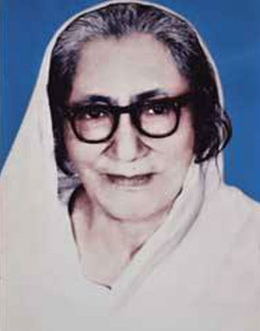
Nalini Bala Devi, born on March 23, 1898, and passing away on December 24, 1977, was a notable Indian writer and poet associated with Assamese literature. Renowned for her patriotic and mystical verses, she received the prestigious Padma Shri from the Government of India in 1957 in recognition of her literary contributions. In 1968, she achieved the Sahitya Akademi Award, presented by Sahitya Akademi (India's National Academy of Letters), for her poetry collection titled "Alakananda." Notably, she holds the distinction of being the first woman Assamese poet to receive the Padma Shri and the first woman to preside over the Assam Sahitya Sabha.