Ghilajari Satra Howly | Ancient History, Sankardev & King Naranarayan
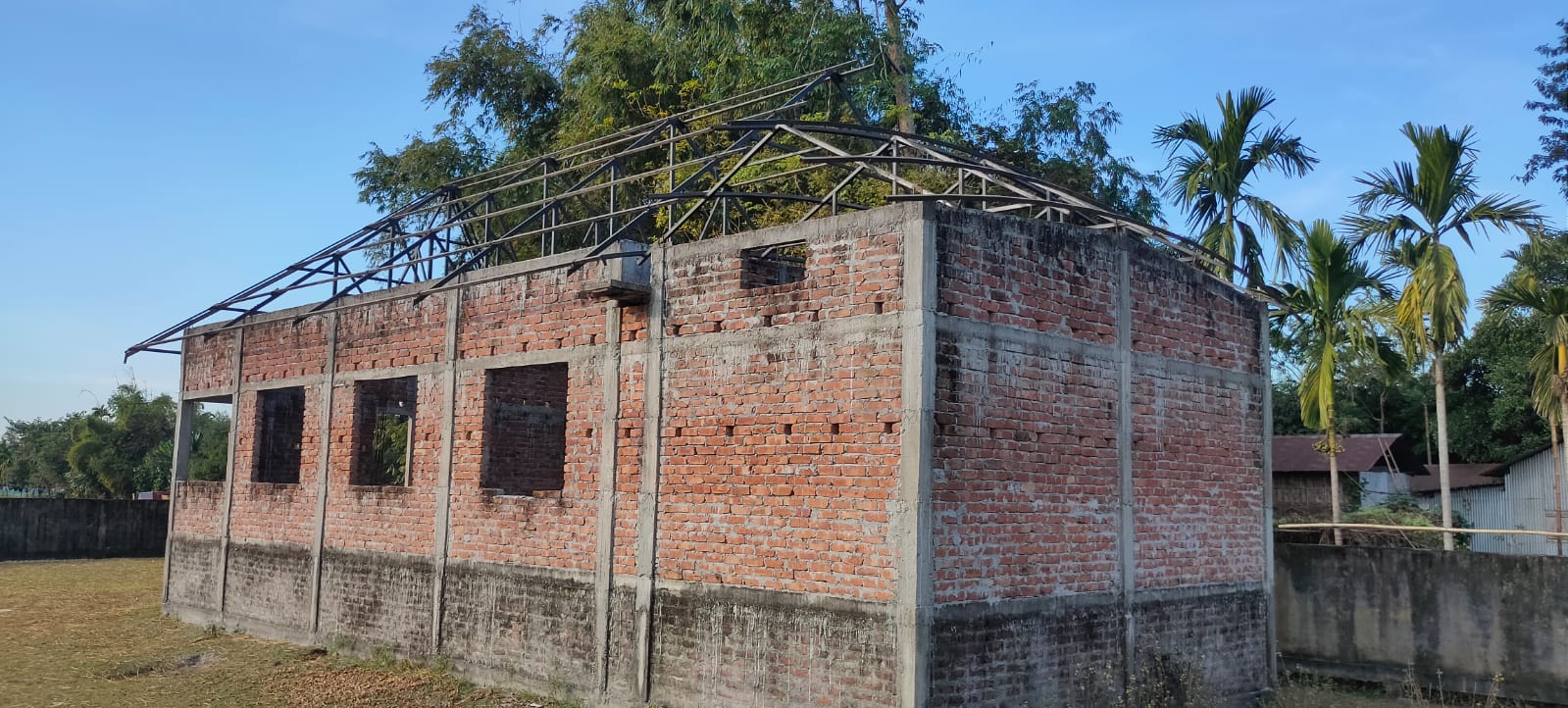
Ghilajari Sotro at Halapakuri — current view
GHILAJARI SOTRO • HALAPAKURI • HOWLY

GhilajariSotro

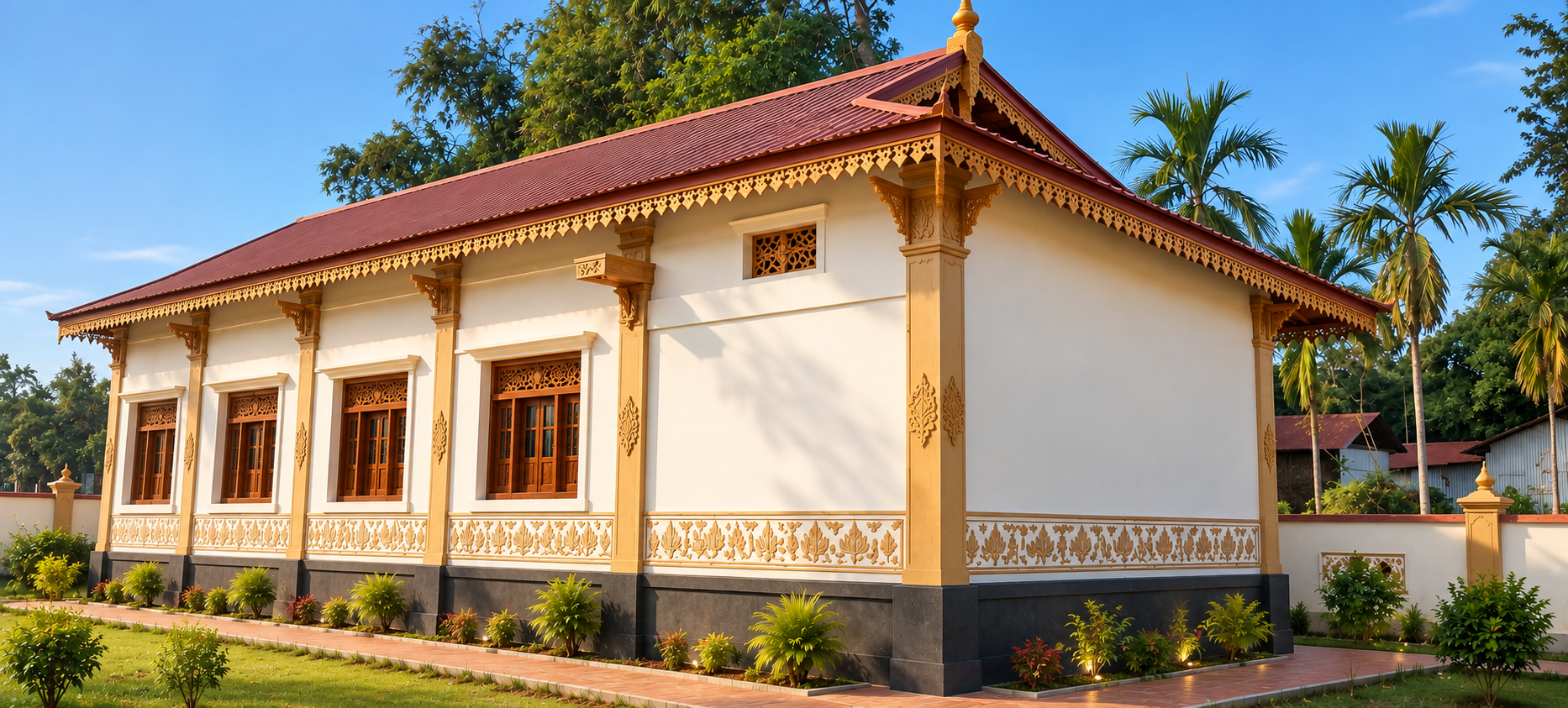
Scroll to witness the present site transition into its envisioned completed construction.

Now
After Construction
Ghilajari Sotro — Now Ghilajari Sotro — After Construction
NOW
AFTER CONSTRUCTION
SCROLL TO TRANSFORM

Where spiritual history met royal Assam.

Ghilajari Satra occupies a distinctive place in the historical memory of Howly and Lower Assam. The site is traditionally associated with the first meeting between Mahapurush Srimanta Sankardev and Koch king Naranarayan.

According to the historical account presented by HowlyTown, Sankardev came from the Patbausi area of Barpeta to meet the king at Ghilajari, where he remained for a period to share his religious teachings.

Their encounter became part of the larger story of Assam's spiritual, cultural and political history.

Historic Ghilajari Satra and Howly historical archive
Ghilajari Satra • Howly, Assam

From a royal meeting to a sacred institution.

01 / THE MEETING

Sankardev & Naranarayan

The Ghilajari region became associated with the meeting of Srimanta Sankardev and King Naranarayan. The historical tradition records the encounter as an important moment in the cultural history of Assam.

02 / THE OFFERING

A gesture of goodwill

The Guru Charita tradition describes Sankardev presenting the king with black gram, known as kola mah, together with a small quantity of blessed rice or nirmali.

03 / THE SATRA

Ghila Satra

At the location associated with their meeting, King Naranarayan established a royal household Satra. The institution was initially known simply as "Ghila Satra."

04 / ROYAL PATRONAGE

A place of spiritual influence

The Satra became part of a wider network of religious and cultural institutions connected with the Koch kingdom and the spread of Vaishnavite traditions in Assam.

Lost to wilderness. Reclaimed through devotion.

12 YEARS

The capital moves

After King Naranarayan eventually moved his capital elsewhere, the surrounding settlement diminished and the Satra gradually fell into neglect.

REVIVAL

Chaturbhuj Thakur returns

Srimanta Sankardev's grandson, Chaturbhuj Thakur, is credited with reviving the abandoned institution. Surrounded by marshland and vegetation, the revived Satra became known as Ghilajari Satra.

1800 BIGHAS

A significant land grant

The source account records that King Parikshit Narayan, grandson of Chilarai, accepted spiritual guidance from Chaturbhuj Thakur and donated approximately eighteen hundred bighas of land to the Satra.

CHANDIBARUA

Patronage from Barnagar

Chandibarua, the feudal lord of Barnagar, is also recorded as a patron and devotee associated with Ghilajari Satra.

War, political change and the loss of land.

1823

The Maan invasion

The historical account records that invading Maan forces devastated Howly, which was then associated with the royal capital of Swargapuri Barnagar. Following the death of Raja Chandibarua, the Satra entered another period of decline.

BRITISH PERIOD

The land was lost

Following the decline of the Maan forces and the arrival of British administration, the original land grant associated with King Parikshit Narayan was no longer held by the Satra and came under government possession.

When the landscape itself changed.

THE GREAT ASSAM EARTHQUAKE

A historic landscape transformed

The devastating Assam earthquake of 1897 destroyed or damaged many historical structures across the region.

According to the historical account, changes to the river landscape, including the formation of the Beki River, affected the original location of Ghilajari Satra.

The Satra was subsequently relocated westward to Raha village in 1910.

The account also states that an original handwritten Gunamala manuscript associated with Chaturbhuj Thakur is preserved at the Satra.

A forgotten landmark entering a new chapter.

The historical account records that approximately one bigha and one lecha of land associated with the ancient Ghilajari Satra has been recovered at Kathalijhar, around four kilometres from Howly town.

It also reports government support through a grant of ₹10 lakh under the Assam Government's Asom Darpan scheme, with reconstruction work underway.

The story of Ghilajari Satra therefore continues beyond its ancient history. Its preservation connects Howly's present with a much older cultural landscape.

Why Ghilajari Satra matters to Howly's heritage.

01

Sankardev's legacy

The site's traditional connection with Srimanta Sankardev places it within the wider spiritual and cultural history of Assam.

02

Koch history

Its association with King Naranarayan connects Ghilajari with the political and cultural history of the Koch kingdom.

03

Living heritage

The Satra represents a continuing link between historical memory, spiritual practice and the communities of Assam.

04

Restoration

The reported recovery of land and reconstruction efforts offer a new chapter in the preservation of this historic site.

Original Research & Writing
Ashim Das
English translation
Bhargav Das

Presented by HowlyTown.in

Ghilajari Satra

Ghilajari Satra is an ancient religious and historical site associated with Howly, Assam. It is traditionally identified as the place where Srimanta Sankardev met King Naranarayan.

Its historical importance comes from its association with the meeting of Srimanta Sankardev and King Naranarayan and the subsequent establishment of a royal household Satra.

The historical account identifies Chaturbhuj Thakur, the grandson of Srimanta Sankardev, as the person who revived the abandoned Satra.

The recovered historical site is associated with Kathalijhar, approximately four kilometres from Howly town in Assam.

The source account reports that reconstruction is underway with support from an Assam Government grant under the Asom Darpan scheme.

The historical account states that an original handwritten Gunamala manuscript associated with Chaturbhuj Thakur is preserved at the Satra.

Ghilazhari Satra FAQ - Historical and Cultural Insights

The Ancient Ghilazhari Satra of Howly

Historic Ghilazhari Satra in Howly, Assam

Discover the rich spiritual and historical legacy of Howly’s ancient Ghilazhari Satra — the first meeting place of Srimanta Sankardev and King Naranarayan. Explore the story of devotion, royal patronage, destruction, and revival that shaped this sacred site. Dive into the heritage of a Satra that witnessed centuries of Assam’s cultural evolution and continues to inspire with its timeless significance.

▶ The historic Ghilazhari Satra in Howly is known as the first meeting place between Mahapurush Srimanta Sankardev and King Naranarayan. It was at this site that Sankardev stayed for four months to preach his religious teachings.


▶ During a period of misfortune, King Naranarayan of the Koch dynasty sought auspicious land ("Birmati") and ultimately found it in the Ghilazhari region, where he temporarily established his capital. At the same time, Srimanta Sankardev, arriving from Upper Assam, had taken residence at Patbausi in Barpeta. Hearing of King Naranarayan's virtues and grandeur, Sankardev came to meet the king here at Ghilazhari.


▶ According to the Guru Charita, during their meeting, Srimanta Sankardev offered King Naranarayan black gram (kola mah) and a small amount of blessed rice (nirmali) as tokens of goodwill.


▶ At this very site of their meeting, the king established a royal household satra, initially known simply as "Ghila Satra."


▶ Over time, after King Naranarayan shifted his capital elsewhere following twelve years of rule, the satra fell into neglect. With no human settlement around, the satra and the surrounding area became engulfed by wilderness.


▶ Later, Srimanta Sankardev’s grandson, Chaturbhuj Thakur, revived the overgrown and abandoned satra. Because it had become surrounded by marshes and thickets (jharoni), the satra came to be known as "Ghilazhari Satra."


▶ At the time of the satra’s reestablishment, the ruler of the Koch kingdom was King Parikshit Narayan, the grandson of Chilarai. King Parikshit took spiritual refuge under Chaturbhuj Thakur and donated eighteen hundred bighas of land to the satra.


▶ Chandibarua, the feudal lord of Barnagar, was also a devoted patron of the Ghilazhari Satra.


▶ In 1823, the invading Man forces destroyed Howly, then the royal capital of Swargapuri Barnagar. After the death of Raja Chandibarua, the Ghilazhari Satra too began to decline.


▶ After the fall of the Man invaders and the arrival of the British, the original land grant given by King Parikshit was lost, and the satra’s land came under government possession.


▶ The devastating Assam earthquake of 1897 wiped out many of the remaining historical assets of the region. Due to the creation of the Beki River during the earthquake, the satra had to be relocated westward to Raha village in 1910. It is said that the original handwritten Gunamala manuscript by Chaturbhuj Thakur is still preserved at the satra.


▶ Presently, according to government records, one bigha and one lecha of land belonging to the ancient Ghilazhari Satra has been recovered at Kathalijhar, about 4 kilometers from Howly town.


▶ Today, this ancient satra has received a government grant of 10 lakh rupees under Assam Government’s "Asom Darpan" scheme. Reconstruction work at the satra is currently underway under this project.

Translated to english by 

Bhargav Das

Original by Ashim Das

Frequently Asked Questions (FAQ) about Ghilazhari Satra


1. What is Ghilazhari Satra?

Ghilazhari Satra is an ancient religious and historical site located in Howly, Assam. It is significant for being the first meeting place of Srimanta Sankardev, the great Assamese saint and reformer, and King Naranarayan of the Koch dynasty.

2. Why is Ghilazhari Satra historically important?

This Satra holds immense historical importance as the site of the initial interaction between Srimanta Sankardev and King Naranarayan, which paved the way for the spread of Bhakti movement in Assam. It also marks the establishment of one of the key Satras of the region, influencing Assamese culture and spirituality.

3. What happened to Ghilazhari Satra over time?

Over the years, Ghilazhari Satra experienced decline and destruction, especially after the fall of the Koch kingdom and the invasion by the Maan army in the 18th century. However, it was later revived by Chaturbhuj Thakur, the grandson of Sankardev, and is now a symbol of cultural revival.

4. Who revived Ghilazhari Satra?

The Satra was revived by Chaturbhuj Thakur, Srimanta Sankardev’s grandson, in the 19th century, ensuring the continuation of its religious and cultural legacy.

5. Where is Ghilazhari Satra located?

Ghilazhari Satra is located in the Kothalijhar area, approximately 4 km from Howly town in Assam.

6. What role did King Naranarayan play in Ghilazhari Satra’s history?

King Naranarayan played a significant role in the establishment of Ghilazhari Satra, having met Srimanta Sankardev at this site. He also contributed land for the Satra and was a key patron of the Bhakti movement in Assam.

7. Is Ghilazhari Satra open to visitors today?

Yes, Ghilazhari Satra is open to visitors today. It is an important cultural and spiritual site, with ongoing restoration efforts supported by the Assam government.

8. What historical artifacts are preserved at Ghilazhari Satra?

Historical artifacts, including the ‘Gunmala’ book signed by Chaturbhuj Thakur, are preserved at the Satra, showcasing its deep connection to the cultural history of Assam.

Follow us

Logo Howly town .in

Howly

Welcome to Howly | Howly, a municipality in Barpeta district, Assam, India.

Explore 600 Years of Golden History of Howly .

Chandi

Baruah

চণ্ডীবৰুৱা

Know more

Manomati

মনোমতী

Know more

এসময়ৰ ৰজা চণ্ডী নাৰায়ণ বৰুৱাৰ 'ৰাজহাউলি'য়ে কালক্ৰমত হৈ পৰিল "হাউলী"।


অসমীয়া সাহিত্যৰ বিখ্যাত উপন্যাস 'মনোমতী'ৰ জন্মস্থান এই হাউলীতেই । নামনি অসমৰ বাণিজ্যিক চহৰ হাউলী বিভিন্ন ভাষা-ভাষী, জাতি-জনগোষ্ঠী ধৰ্মাৱালম্বী লোকেৰে গঠিত। এটা সময়ত মহাপুৰুষ শংকৰ-মাধৱ আৰু আঁতাসকলৰ লীলাভূমি আছিল এই বৃহত্তৰ হাউলী অঞ্চল। ১৯৫৪ চনতে জন্ম লোৱা চণ্ডী বৰুৱা স্মৃতি ভৱন হাউলীৰ সামজিক, সাংস্কৃতিক তথা বৌদ্ধিক কেন্দ্ৰস্বৰূপ যাৰ মঞ্চত বিষ্ণু ৰাভা, ফণী শৰ্মা আদিৰ দৰে অসমৰ যশস্বী শিল্পীয়ে নাট পৰিবেশন কৰি গৈছে।


হাউলীত মহাপুৰুষ শ্ৰীমন্ত শংকৰদেৱ


মহাপুৰুষ শ্ৰীমন্ত শংকৰদেৱ গুৰুজনাৰ অসমীয়া সমাজ জীৱনলৈ অন্যতম অৱদান হৈছে- সত্ৰ আৰু নামঘৰ। অসমীয়া সমাজ জীৱনত সত্ৰ-নামঘৰৰ অপৰিসীম ভূমিকা আৰু প্ৰভাৱৰ বিষয়ে প্ৰতিজন অসমীয়াই জ্ঞাত।মহাপুৰুষ শ্ৰীমন্ত শংকৰদেৱৰ বৰপেটা আগমন বৰপেটাৰ বুৰঞ্জীৰ এক যুগান্তকাৰী ঘটনা। মহাপুৰুষ দুজনা গুৰুৱে বৰপেটা অঞ্চলত কটোৱা কালছোৱাক ভক্তি আন্দোলনৰ চূড়ান্ত যুগ বুলি কোৱা হয়।  হাউলীৰ অন্যতম অঞ্চল এটাৰ নাম 'ঘিলাঝাৰী'।

এই ঘিলাতেই মহাপুৰুষ শ্ৰীমন্ত শংকৰদেৱে চাৰিমাহ থাকি ধৰ্ম প্ৰচাৰ কৰিছিল। গুৰুজনাই পাটবাউসীত সত্ৰ পাতি থকা সময়ত নৰনাৰায়ন ৰজাৰ গুণ-গৰিমাৰ কথা শুনি ৰজাক আহি সাক্ষাৎ কৰিছিল।ঘিলাত নৰনাৰায়নে উপ-ৰাজধানী পাতি বাৰ বছৰ কাল ৰাজত্ব কৰিছিল। এই ৰাজধানীৰ স্থান বৰ্তমান হাউলী নগৰৰ পৰা প্ৰায় ৩ কি:মি: নিলগত থকা নগৰঝাৰ আৰু কঠলিঝাৰ। চৰকাৰী ৰেকৰ্ড মতে এই ঠাইত ১ বিঘা ১ লেচা মাটি উদ্ধাৰ হৈছে।

আপুনি জানানে ?

লাচিত বৰফুকনৰ ধৰ্মগুৰু হাউলীৰ ৰামানন্দ দ্বিজ আছিল

হাউলী কালঝাৰ সত্ৰৰ সত্ৰাধিকাৰ ৰামানন্দ দ্বিজ অবিহনে লাচিত বৰফুকনৰ ইতিহাস কেতিয়াও সম্পূৰ্ণ হৈ নুঠে। লাচিত বৰফুকন এজন মহাপ্রতাপী যোদ্ধা হোৱাৰ উপৰিও এজন বৈষ্ণৱীও আছিল। কালঝাৰ সত্ৰ হ'ল বৰপেটা অঞ্চলৰ এখন বিখ্যাত সত্র। গোপাল আতাই ভৱানীপুৰৰ পৰা গমন কৰি ভকত সংগীসকলৰ সৈতে কালঝাৰত অৱস্থান কৰিছিল। কালঝাৰ অঞ্চলৰ পৰা একাদশী আতৈৰ আমন্ত্ৰণত গোপাল আতাই তিনিশ তিনিকুৰি তেৰজন ভকতক লগত লৈ কালঝাৰত আহি উপস্থিত হয় আৰু তাতেই কালঝাৰ সত্ৰ প্রতিষ্ঠা কৰে। পিছত গোপাল আতাই তেওঁৰ প্রিয় শিষ্য ব্ৰাহ্মণ শ্ৰীৰাম আতাক তেওঁৰ চাৰিসত্ৰ ভবানীপুৰ, জোৱাৰাদি, হাউলীৰ কালঝাৰ আৰু পোৰাভঁৰাল সত্ৰ চমজাই দি ইহ সংসাৰ ত্যাগ কৰে। গোপাল আতাৰ পিছত কালঝাৰ সত্ৰত শ্ৰীৰাম আতাই সত্ৰাধিকাৰ হিচাপে সত্ৰ পৰিচালনা কৰি গোপাল আতাৰ উত্তৰসূৰীৰ দায়িত্ব পালন কৰিছিল। শ্ৰীৰাম আতাৰ প্ৰয়াণৰ পিছত কালঝাৰ সত্ৰৰ সত্ৰাধিকাৰ হ'ল তেওঁৰ পুত্ৰ ৰামানন্দ দ্বিজ আৰু আনজন পুত্ৰ পৰমানন্দ দ্বিজ হাউলীৰ পোৰাভঁৰাল সত্ৰৰ সত্ৰাধিকাৰ হয়। শ্ৰীৰাম আতা কালঝাৰ সত্ৰত সত্ৰাধিকাৰ হৈ থাকোঁতে এবাৰ উজনি অসমলৈ গৈছিল আৰু মাজুলীত ১৬৪৩ খ্ৰীষ্টাব্দত আহতগুৰি সত্ৰ প্ৰতিষ্ঠা কৰিছিল। শ্ৰীৰাম আতাৰ প্ৰয়াণৰ পিছত ৰামানন্দ দ্বিজ কালঝাৰ সত্ৰৰ সত্ৰাধিকাৰ হৈ থাকোতে এবাৰ উজনিলৈ পিতৃ পুৰুষৰ সত্ৰৰ সন্ধানত গমন কৰিছিল । ৰামানন্দ দ্বিজ কলিয়াবৰৰ খাকৰুডুবিত বাহৰ পাতি থাকোতেই লাচিত বৰফুকনে তেওঁৰ সম্বাদ পায়। লাচিত বৰফুকনে ৰামানন্দ দেৱৰ শৰণ লৈ নিজৰ দোপদৰ কলিয়াবৰৰে মাধৱ দেৱালয়ৰ পূবলৈ উঠাই নি নিজৰ ঘৰ বাৰী গুৰুক উছৰ্গা কৰি ভেদেলীৰ ভণ্ডাৰকে কেন্দ্ৰ কৰি সত্ৰ পাতি থাকিবলৈ দিলে। ভেদেলী ভাণ্ডাৰত সত্ৰ পাতি ৰামানন্দ দ্বিজ কিছু দিন থাকে। কিন্তু লাচিত বৰফুকন ১৬৭১ চনত উজনিলৈ গৈ থাকোতে যোৰহাটত মৃত্যু বৰণ কৰাত ৰামানন্দ দ্বিজো উজনিৰ অভিমুখে যাত্ৰা কৰিলে। তেওঁ গৈ পোনতে গড়গাওঁ ৰাজধানীত পালেগৈ। গড়গাঁৱত লাচিত বৰফুকনৰ গুৰু হিচাপে তেওঁক যথেষ্ট সন্মান প্ৰদান কৰিলে। ৰামানন্দ দ্বিজ মহাপ্রতাপী লাচিত বৰফুকনৰ দৰে বীৰ এজনৰ ধৰ্মগুৰু হৈয়ো বৰ্তমানলৈকে প্ৰায় সকলো ক্ষেত্ৰতে উপেক্ষিত হৈ থাকে। এইটো এটা বৰ বেদনাদায়ক বিষয়। সেয়ে এইক্ষেত্ৰত আমাক ঐতিহাসিক অনুসন্ধানৰো নিশ্চয়কৈ প্রয়োজন আছে।

হাউলী ৰাস মহোৎসৱ

(জন্ম আৰু বিকাশ )


* ১৯২৮ চনত ৰাস পূৰ্ণিমাৰ পবিত্ৰ ক্ষণত হাউলী হাটখোলাৰ উত্তৰে তেতিয়াৰ তেলি কদমৰ তলতে আৰম্ভণি হৈছিল হাউলী সাৰ্বজনীন ৰাস উৎসৱৰ।

* হাউলী সাৰ্বজনীন ৰাস উৎসৱৰ প্ৰথম সভাপতি আছিল ঁ বিশ্বনাথ দাস আৰু সম্পাদক আছিল ক্ৰমে ঁ যোগেশ চন্দ্ৰ দাস ,ঁ গৰ্জন চন্দ্ৰ চৰকাৰ।

*১৯২৮ চনত আৰম্ভণি অৱস্থাত ৩ দিনীয়াকৈ পালন কৰা হৈছিল হাউলী সাৰ্বজনীন ৰাস উৎসৱ।

* সেইসময়ত হেজাক লাইট আৰু পেট্ৰোমাক্স' লাইটৰ পোহৰেৰে চলিছিল ৰাসৰ কাৰ্যসূচী।

* কাৰ্যসূচী আছিল পূজাঁ, ভাগৱত পাঠ, ওজাপালি, ঢুলীয়া, কবিগান, যাত্ৰাগান, নাম-কীৰ্ত্তন আদি।

* মহিলাসকলে গৰুগাড়ীত বহি আৰু পুৰুষসকলে মাটিত পাৰি দিয়া ধান খেৰত বহি ৰাসৰ কাৰ্যসূচী উপভোগ কৰিছিল।

* অসমত ৰাসক্ৰীড়া প্ৰথমে শ্ৰীমন্ত শংকৰদেৱে আৰম্ভ কৰিছিল। উজনি অসমৰ ৰাস গুৰুজনাৰ আৰ্হিতে উদযাপন কৰা হৈ আহিছে। হাউলীৰ ৰাস কোচবিহাৰৰ মৃন্ময় মূৰ্তিৰে সজ্জিত ৰাসৰ আৰ্হিত পতা হয়।

* ১৯৫৫ চনত ৩১নং ৰাষ্ট্ৰীয় ঘাইপথৰ কাম আৰম্ভ হোৱাত নতুন ঠাইলৈ স্থানান্তৰিত হয় হাউলী সাৰ্বজনীন ৰাস উৎসৱ।

* নতুন ঠাইত অহাৰ পিছত দৰ্শনাৰ্থীৰ সংখ্যা বছৰে বছৰে দ্ৰুত গতিত বাঢ়িবলৈ ধৰে।

* ১৯৯৭ চনত এটা বৃহৎ আকাৰৰ মন্দিৰ নিৰ্মাণৰ বাবে এখন সমিতি গঠন কৰা হয়।

* ২০০৭ চনৰ ৩১ জানুৱাৰীত নতুন মন্দিৰটোত 'বিগ্ৰহ'ৰ প্ৰাণ প্ৰতিষ্ঠ‍া কৰা হয়।

* প্ৰথম অৱস্থাত ইছলাম ধৰ্মীয় লোকসকলে হাউলী ৰাসত যোগদান কৰা নাছিল। পিছলৈ তেওঁলোকেও এই উৎসৱত যোগদান কৰিবলৈ ধৰে। চুফি ৰিয়াজুদ্দিন চৰকাৰ আৰু মো: দাৰোগ আলী চৰকাৰেই হাউলী ৰাসত যোগদান কৰা প্ৰথম মুছলমান নেতৃস্থানীয় ব্যক্তি।

* হাউলী ৰাস মহোৎসৱ অকল হাউলী অঞ্চলৰে উৎসৱ হৈ থকা নাই । ই সমগ্ৰ অসমৰে এক জাতীয় উৎসৱলৈ পৰিগণিত হৈছে। প্ৰতি বছৰে উদযাপিত হোৱা এই উৎসৱথলীত বিভিন্ন জাতি-জনগোষ্ঠীৰ পৰম্পৰাগত সাংস্কৃতিক উপাদানৰ উপৰি অতি সম্প্ৰতি নতুন প্ৰজন্মৰ মাজত গঢ় লৈ উঠা সাংস্কৃতিক উপাদানসমূহ নিৰৱচ্ছিন্নভাৱে প্ৰদৰ্শন কৰাৰ এক সুবিশাল মঞ্চ লাভ কৰি গোটেই অঞ্চলটোৱেই সংস্কৃতিৰ এক মহামিলনৰ থলীলৈ পৰিগণিত হৈছে।