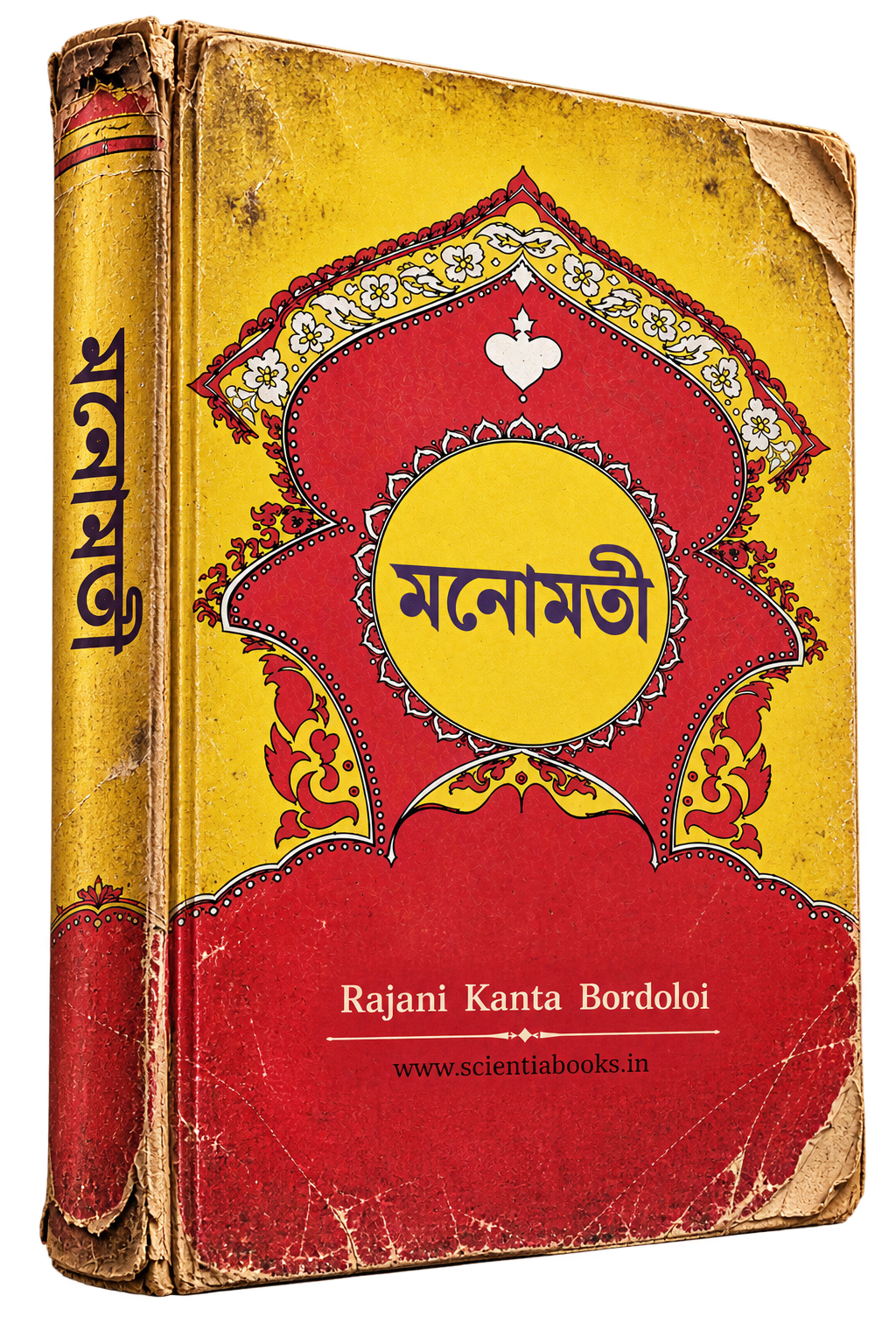
Monomoti — The Legacy of Howly | Rajanikanta Bordoloi
ASSAM · LITERATURE · HISTORY

Monomoti The Legacy of Howly

A novel that transformed memory into literature, and a place called Howly into a lasting part of Assam's literary consciousness.

Rajanikanta Bordoloi · 1900
Monomoti historical character illustration
THE NOVEL

When history becomes literature.

Published in 1900, Rajanikanta Bordoloi's Monomoti stands as a landmark in Assamese literature.

The novel captures the cultural and social atmosphere of Assam during the period of the Burmese invasions, bringing together questions of identity, courage, sacrifice, resistance and belonging.

Its significance goes beyond fiction. The landscape, people and memories that shaped Bordoloi's imagination were deeply connected to places he encountered during his years of service in Assam.

A LITERARY JOURNEY

From observation to immortality.

1889

A Collector in Assam

Rajanikanta Bordoloi began the period of government service during which he would encounter historically significant places and communities across Assam.

1889–1918

The Landscape Behind the Novel

While serving as a Sub-Deputy Collector, Bordoloi observed places including Howly, Jogirpam, Morhalakanta Barua's estate, Hadirachaki and Mainabari.

1900

Monomoti is Published

Monomoti emerged as a major work in Assamese literature, transforming historical memory and regional experience into enduring fiction.

Today

The Story Still Remains

More than a century later, the connection between Monomoti, Howly and Assam's history continues to give the region a distinctive place in Assamese literary memory.

THE HISTORICAL MEMORY

Chandi Barua.

Monomoti artistically preserves the memory of Chandi Barua's patriotic spirit, courage and resistance against foreign rule.

His character becomes more than a figure within a novel. He represents the ideals of sacrifice, integrity and love for homeland that continue to resonate through the story.

A story born from the landscape, carried forward by memory, and preserved through literature.

THE PLACE WHERE IT WAS WRITTEN

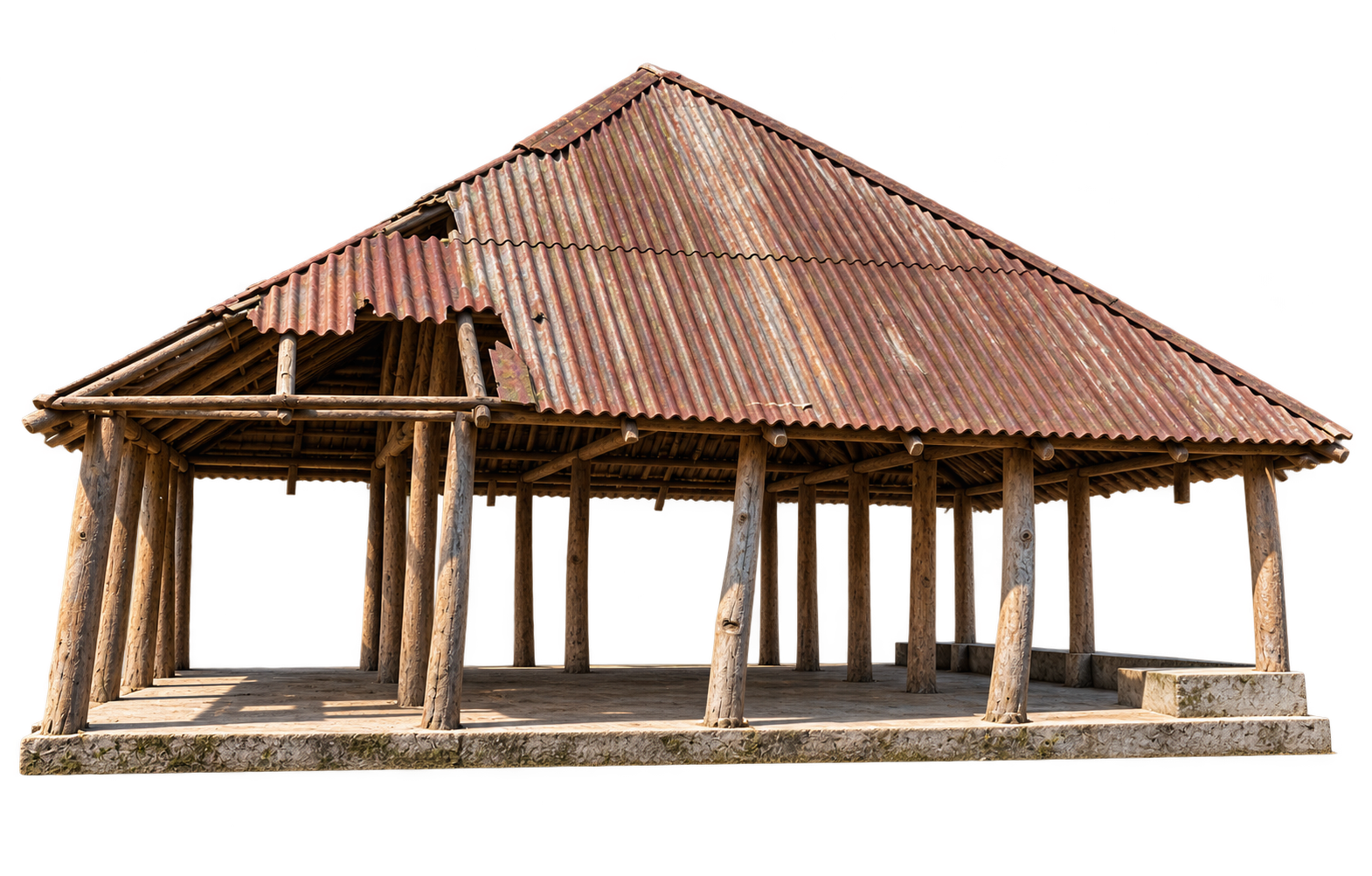
Halapakuri — where the story took shape.

At the heart of this literary journey lies a remarkable connection: Howly's own Halapakuri is identified as the place where Monomoti was written.

What might appear to be an unassuming location therefore carries extraordinary literary significance. Through Monomoti, the memories associated with Howly found a way to travel far beyond the boundaries of the place itself.

HOWLY · ASSAM
A LASTING LEGACY

Howly's past, written into Assamese memory.

Without the creation of Monomoti, much of Howly's remarkable past might have remained less visible beyond local memory.

The novel gave those places, people and historical experiences a literary afterlife, ensuring that the story of Howly could continue to be encountered through generations of readers.

1900 Year Monomoti Was Published
THE LEGACY OF MONOMOTI

Some places are remembered because they became stories.

Howly is one of them. Through Rajanikanta Bordoloi's Monomoti, its history continues to speak through literature.

HOWLY · MONOMOTI A literary history of Howly
body { user-select: none; -webkit-user-select: none; /* Safari */ -moz-user-select: none; /* Firefox */ -ms-user-select: none; /* IE/Edge */ }