01 / SOURCING
Across Assam
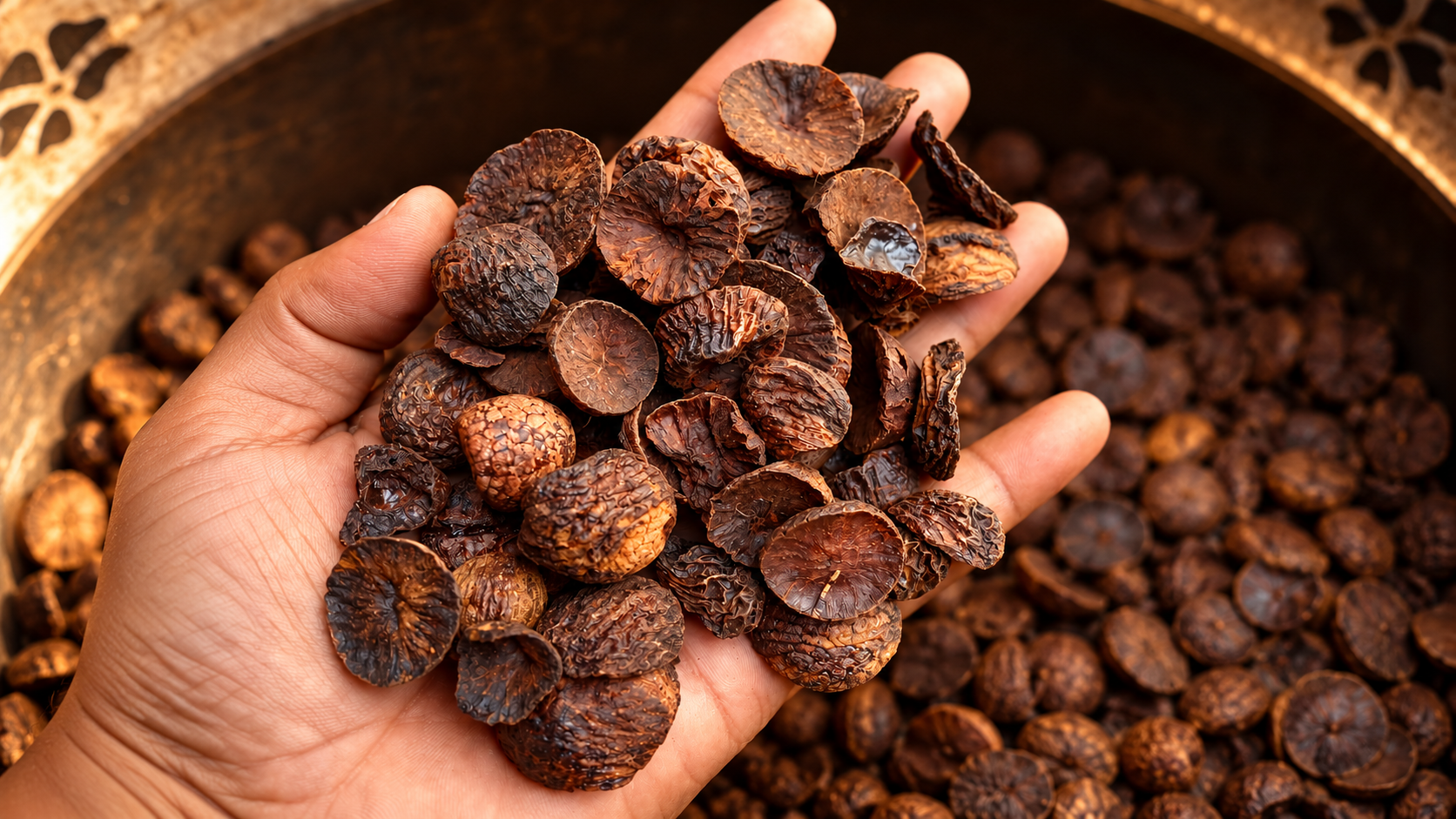
Raw areca nuts are sourced from areas including parts of Baksa district, Goalpara district and selected districts of Upper Assam.
A town. A tradition. An industry known across India. Discover the story behind Howly’s celebrated Chikni Supari trade.
The Craft · The Community · The Legacy
Howly, in Assam’s Barpeta region, is widely known for its Chikni Supari trade. Over the years, the town has developed a distinctive identity around areca nut processing and commerce.
The story of Howly’s supari industry is also a story of entrepreneurship. Marwari traders are traditionally credited with introducing this line of business in the town. In time, local Assamese youths learned the trade and established businesses of their own.
Today, Howly is often called the “Supari Town” — a recognition of the role this industry plays in the local commercial landscape and its connections with markets beyond Assam.
Generations of traders, workers and local entrepreneurs have helped shape an industry that connects Howly with a wider network of suppliers, processors and buyers.
Raw areca nuts are brought to Howly from different parts of Assam. At local processing units, they pass through various stages before becoming the finished product traded under the Chikni Supari name.
Raw areca nuts are sourced from areas including parts of Baksa district, Goalpara district and selected districts of Upper Assam.
Howly’s processing units transform raw nuts through multiple stages. The work reflects accumulated practical knowledge and established trade practices within the local industry.
Processed supari from Howly enters wider commercial networks, with substantial quantities reportedly sent to markets outside the state.
Howly does not produce enough raw areca nuts locally to meet the needs of its processing industry. Supplies therefore arrive from other areas, making sourcing and transport an important part of the trade.
Locations associated with this supply network include Bahbari, Nikashi, Dumuni, Mushalpur and Shimla in Baksa district, along with areas of Goalpara and some districts of Upper Assam.
Some local accounts attribute the quality of Howly’s Chikni Supari to the suitability of its water. This is a local belief rather than a scientifically established explanation.
The Chikni Supari industry is part of Howly’s commercial identity — a story of changing generations, local skill and trade connections reaching beyond the town. Its legacy continues through the people who keep the industry moving.